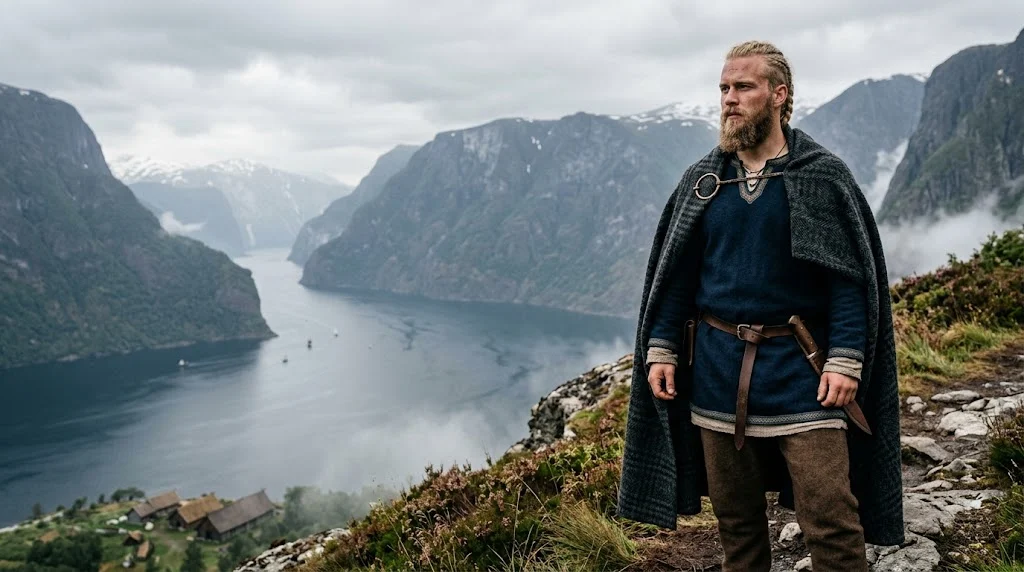
Norse male names come from Old Norse language, Scandinavian naming traditions, and Norse mythology. Popular choices include Thor, Odin, Leif, Bjorn, Erik, Ragnar, Gunnar, Ivar, Ulf, and Einar.
A name can carry more than a sound. It can suggest strength, adventure, wisdom, loyalty, or even a connection to an ancient culture. That is one reason norse names male continue to attract parents, writers, gamers, and anyone searching for a name with character.
Old Norse names often have striking meanings and memorable sounds. Some connect to animals, warriors, rulers, protection, or legendary figures. Others have survived for centuries and still feel surprisingly natural today. Names such as Björn, Leif, Erik, and Gunnar show how an old naming tradition can remain fresh across generations.
If you want something bold but meaningful, this collection offers ten excellent starting points. Each name includes its meaning, background, personality, style, best uses, and nickname inspiration so you can find a choice that feels right rather than simply sounding impressive.
Thor | The Thunder-Inspired Choice
Meaning: Thunder; associated with the Norse god Þórr.
Origin: Old Norse.
Personality: Strong, protective, confident, energetic.
Style: Bold, classic, mythological, powerful.
Best For: Baby boys, character names, gaming names, usernames, and anyone wanting a short masculine name.
Popularity: Timeless and recognizable.
Thor is one of the most instantly recognizable choices among Norse names male. The Old Norse form is Þórr, the name of the well-known thunder god. Old Norse sources associate Thor with protection, strength, and the famous hammer Mjölnir.
As a modern name, Thor is short and easy to remember. It has a strong sound without needing a complicated spelling. Nickname possibilities include Thori, Tor, T, and Thor-Bear for something playful.
Emotional Appeal: Thor feels dependable and fearless. It suits someone imagined as a protector rather than a quiet observer.
Pop Culture Reference: Modern films and comics have made Thor even more recognizable, although the name itself is rooted much deeper in Norse tradition.
Similar Nicknames: Tor, Thori, T, Thunder, Bear.
Why It Still Works Today: Its one-syllable structure makes it modern, while its ancient mythological background gives it depth.
Odin | A Wise and Mysterious Choice
Meaning: Traditionally connected with Old Norse óðr, associated with inspiration, frenzy, or poetic/ecstatic states.
Origin: Old Norse.
Personality: Wise, thoughtful, mysterious, ambitious.
Style: Mythological, powerful, intellectual, dramatic.
Best For: Baby boys, fictional characters, fantasy names, gaming profiles, and strong usernames.
Popularity: Distinctive and increasingly familiar.
Odin has an unmistakable mythological presence. The Old Norse form is Óðinn, and the name is connected with óðr, a word carrying meanings around inspiration, frenzy, and ecstasy.
The name feels particularly suitable for someone who wants a masculine name with a thoughtful edge. It is not simply about physical strength. Odin’s cultural image is also connected with knowledge, poetry, magic, and leadership.
Emotional Appeal: Odin feels intelligent and mysterious. It can suggest someone who observes carefully before making a decision.
Pop Culture Reference: Odin appears widely in modern books, games, comics, films, and television inspired by Norse mythology.
Similar Nicknames: Odie, Odi, O, Dinn, Wise One.
Why It Still Works Today: Odin has a compact shape and distinctive sound, making an ancient name feel surprisingly contemporary.
Leif | The Adventurous Classic
Meaning: Heir, descendant, or legacy.
Origin: Old Norse Leifr.
Personality: Adventurous, curious, calm, independent.
Style: Classic, gentle, Scandinavian, refined.
Best For: Baby boys, sons, historical characters, writers, and Nordic-inspired usernames.
Popularity: Traditional and recognizable.
Leif offers a softer alternative to the more aggressive-sounding Viking names. The Old Norse name Leifr is associated with an heir, descendant, or what is left as an inheritance.
The name is especially memorable because of Leif Eriksson, the Norse explorer traditionally associated with voyages to North America. That historical connection gives Leif an adventurous quality without making it sound overly dramatic.
Emotional Appeal: Leif suggests heritage and continuity. It can feel like a name that connects one generation to another.
Pop Culture Reference: Leif Eriksson has appeared in historical fiction, documentaries, books, and popular portrayals of Viking exploration.
Similar Nicknames: Lee, Lei, Leify, Leaf, L.
Why It Still Works Today: Leif is short, distinctive, and easy to pair with modern middle names.
Bjorn | The Bear Name
Meaning: Bear.
Origin: Old Norse Bjǫrn.
Personality: Strong, loyal, protective, grounded.
Style: Rugged, traditional, masculine, natural.
Best For: Baby boys, character names, Viking-inspired projects, usernames, and pet names.
Popularity: Established Scandinavian classic.
Few names communicate strength as quickly as Bjorn. The Old Norse form Bjǫrn means “bear,” and the name developed from an Old Norse byname. Modern Scandinavian forms include Swedish and Icelandic Björn and Norwegian and Danish Bjørn.
The bear association makes the name especially appealing for parents who like nature-inspired names. It also works wonderfully as a nickname: Bear, B, Bj, or Bear-Bjorn can give it a warmer feel.
Emotional Appeal: Bjorn combines toughness with the comforting image of a powerful animal.
Pop Culture Reference: Bjorn has appeared in historical dramas and fictional stories inspired by Viking culture.
Similar Nicknames: Bear, Bj, B, Bjornie, Beary.
Why It Still Works Today: Animal names are still attractive, and Bjorn gives that trend a distinctly Scandinavian identity.
Erik | The Ever-Ruler
Meaning: Ever-ruler or always powerful.
Origin: Old Norse Eiríkr.
Personality: Confident, dependable, ambitious, composed.
Style: Classic, polished, traditional, international.
Best For: Baby boys, professional names, historical characters, and family names.
Popularity: Long-established and timeless.
Erik is one of the easiest Norse-rooted names to bring into modern life. The Old Norse Eiríkr is traditionally analyzed from elements meaning “ever/always” and “ruler/powerful.”
Unlike some highly mythological names, Erik does not feel limited to fantasy settings. It works equally well for a baby, adult, fictional hero, or professional character.
Emotional Appeal: Erik sounds capable without being flashy. It gives the impression of someone who can lead while remaining grounded.
Pop Culture Reference: Erik and its variants have appeared across Scandinavian history, literature, television, and film.
Similar Nicknames: Eri, Rik, Ricky, E, Er.
Why It Still Works Today: Its familiar spelling and international use make it one of the most practical Norse-rooted choices.
Ragnar | The Legendary Warrior Name
Meaning: Commonly interpreted through Old Norse elements connected with counsel/judgment and warrior or army.
Origin: Old Norse.
Personality: Bold, determined, strategic, adventurous.
Style: Viking, dramatic, traditional, powerful.
Best For: Character names, gaming identities, baby boys, creative projects, and history lovers.
Popularity: Strongly associated with Viking imagery.
Ragnar has one of the most dramatic sounds on this list. It is an Old Norse name with traditional interpretations connecting its elements with ideas such as counsel or judgment and warrior/army.
Its historical and legendary associations make Ragnar especially popular for fictional Viking characters. However, the name can also work as a real-world given name for families attracted to Scandinavian heritage.
Emotional Appeal: Ragnar feels strategic rather than simply strong. It suggests someone who thinks, plans, and acts with purpose.
Pop Culture Reference: The legendary figure Ragnar Lothbrok has made the name especially familiar to modern audiences.
Similar Nicknames: Rags, Raggi, Ragn, R, Ranny.
Why It Still Works Today: Its distinctive rhythm makes it memorable, while its historical associations give it a strong identity.
Gunnar | The Battle-Ready Classic
Meaning: Traditionally associated with battle and warrior elements.
Origin: Old Norse Gunnarr.
Personality: Brave, loyal, energetic, competitive.
Style: Rugged, heroic, classic, masculine.
Best For: Baby boys, fantasy characters, gaming names, sports-inspired identities, and historical fiction.
Popularity: Traditional Scandinavian name.
Gunnar is a powerful option for anyone who wants a Norse name with a warrior-like feeling. The Old Norse Gunnarr is traditionally connected with gunnr, meaning “war” or “battle,” alongside an element associated with warrior or army.
Despite its strong meaning, Gunnar does not sound harsh. Its two-syllable rhythm gives it warmth and personality.
Emotional Appeal: Gunnar feels courageous but approachable. It works well for a character who is strong because of loyalty rather than anger.
Pop Culture Reference: Gunnar appears in Scandinavian legends and later retellings of Germanic and Norse heroic stories.
Similar Nicknames: Gun, Gunny, Gunn, G, Gunni.
Why It Still Works Today: Its traditional Scandinavian identity blends easily with modern naming styles.
Ivar | The Independent Warrior
Meaning: Traditionally interpreted from elements associated with yew and warrior.
Origin: Old Norse Ívarr.
Personality: Independent, fearless, focused, resilient.
Style: Short, rugged, vintage, distinctive.
Best For: Baby boys, fictional warriors, gamers, authors, and parents seeking a rare classic.
Popularity: Uncommon but established.
Ivar is a strong choice if you want something shorter and less familiar than Ragnar or Thor. The Old Norse Ívarr is commonly interpreted through elements associated with the yew and a warrior.
The name has a clean modern sound despite its ancient roots. That makes it especially useful for people who want a historically inspired name without choosing something that feels overly theatrical.
Emotional Appeal: Ivar feels independent and resilient. It suggests a person who can stand firmly on their own.
Pop Culture Reference: Ivar appears in modern fictional portrayals of Viking history and Scandinavian-inspired storytelling.
Similar Nicknames: Ivi, Ivo, Var, Ivy, I.
Why It Still Works Today: Its short length and crisp sound fit current preferences for compact names.
Ulf | The Wolf-Inspired Name
Meaning: Wolf.
Origin: Old Norse.
Personality: Independent, loyal, protective, instinctive.
Style: Minimalist, rugged, ancient, natural.
Best For: Baby boys, fantasy characters, pet names, usernames, and nature lovers.
Popularity: Rare but historically rooted.
Ulf is one of the simplest names in this collection. It comes from the Old Norse word for wolf, making its symbolism immediately clear. Wolf imagery can suggest independence, loyalty, endurance, and strength.
Its brevity is part of its appeal. Ulf has only three letters, yet it feels substantial. It can also inspire playful modern nicknames such as Wolf, U, Ulfie, or Wolfy.
Emotional Appeal: Ulf feels wild without being complicated. It is ideal for someone who likes nature-based names with a masculine edge.
Pop Culture Reference: Wolf symbolism frequently appears in Norse mythology and Scandinavian storytelling, although Ulf itself is a historical personal name rather than simply a mythological character name.
Similar Nicknames: Wolf, U, Ulfie, Wolfy, Ul.
Why It Still Works Today: Minimal names remain attractive, and Ulf offers an unusual alternative to more common nature names.
Einar | The Lone Warrior
Meaning: Commonly interpreted as “one warrior” or “lone warrior.”
Origin: Old Norse Einarr.
Personality: Independent, brave, serious, determined.
Style: Vintage, Nordic, strong, traditional.
Best For: Baby boys, historical characters, fantasy heroes, usernames, and Scandinavian-inspired names.
Popularity: Traditional and distinctive.
Einar has a strong heroic quality without sounding overly dramatic. It is traditionally connected with Old Norse elements including einn, meaning “one” or “alone,” and an element associated with warrior or army.
That combination creates an appealing image of independence. Einar can suit a person who prefers to make their own path while remaining loyal to the people around them.
Emotional Appeal: Einar feels quietly courageous. It suggests inner strength rather than loud confidence.
Pop Culture Reference: The name appears in Scandinavian history and literature, as well as modern Nordic-inspired fiction.
Similar Nicknames: Ein, Eini, Einaro, E, Nar.
Why It Still Works Today: Einar sounds authentically Scandinavian while still being distinctive enough to stand out.
Quick Comparison Table
| Nickname | Meaning | Style | Best For |
|---|---|---|---|
| Thor | Thunder | Bold | Boys, characters |
| Odin | Inspiration/frenzy | Mythological | Boys, fantasy |
| Leif | Heir/descendant | Classic | Boys, explorers |
| Bjorn | Bear | Rugged | Boys, nature lovers |
| Erik | Ever-ruler | Classic | Boys, adults |
| Ragnar | Counsel + warrior | Dramatic | Characters, boys |
| Gunnar | Battle + warrior | Heroic | Boys, characters |
| Ivar | Yew + warrior | Rugged | Boys, fantasy |
| Ulf | Wolf | Minimalist | Boys, nature lovers |
| Einar | One warrior | Vintage | Boys, heroes |
How to Choose the Perfect Norse Name
Choosing from so many powerful names can be difficult. Start with the meaning, not just the sound. If you want protection, Thor may feel appropriate. If you prefer wisdom and mystery, Odin has a different personality. For a nature connection, Bjorn or Ulf may be better.
Next, think about pronunciation. Some Old Norse spellings contain letters such as Þ, ǫ, or accented vowels that may be unfamiliar outside Scandinavian languages. Modern forms can make a name easier to spell while preserving its identity.
Also consider the setting. A name like Ragnar may feel perfect for a fantasy character but more dramatic in everyday life. Erik or Leif, by contrast, can transition naturally between historical and modern settings.
Finally, test possible nicknames aloud. A great formal name should ideally give you a few shorter options. For example, Gunnar can become Gunn or Gunny, while Bjorn can become Bj or Bear.
Most Popular Norse-Inspired Names Today
If you want recognizable choices with strong Nordic associations, consider:
- Thor
- Odin
- Erik
- Leif
- Bjorn
- Ragnar
- Gunnar
- Ivar
- Einar
- Ulf
Not every name in a modern “Viking name” list is strictly an Old Norse personal name. Some are later Scandinavian forms, mythological names, or names that simply became associated with Viking culture. Checking the linguistic origin is important when historical accuracy matters. Behind the Name, for example, distinguishes Old Norse forms and later Scandinavian usage.
Vintage Norse Names Making a Comeback
Vintage names are appealing because they feel familiar without being ordinary. Some Scandinavian-rooted names that can provide an old-world atmosphere include Leif, Erik, Bjorn, Gunnar, Ivar, Einar, Ulf, and Ragnar.
The key is balance. A historical name does not need to sound ancient in everyday conversation. Short forms and modern spellings can make traditional names much easier to use.
For example, Björn can be written as Bjorn in settings where special characters are inconvenient, while Erik already feels completely at home in modern international naming.
Modern Norse Name Trends
Today’s interest in Norse names is not limited to historical accuracy. Many people are drawn to the feel of Nordic names: short spellings, strong consonants, nature meanings, mythology, and distinctive sounds.
Animal-inspired names are particularly memorable. Bjorn means “bear,” while Ulf means “wolf.”
Another trend is choosing an ancient name with a simple modern nickname. This creates flexibility. A formal name can preserve its historical character, while the nickname makes everyday use easier.
Mythological names such as Thor and Odin also remain attractive because they are immediately recognizable. Meanwhile, names like Leif, Ivar, and Einar offer a subtler Scandinavian connection.
FAQs
What are the strongest Norse names for boys?
Thor, Ragnar, Gunnar, Ivar, and Einar are excellent choices if you want a strong masculine feeling. Their meanings and historical associations connect them with thunder, warriors, independence, or heroic traditions.
What is the most famous Norse male name?
Thor is probably the most instantly recognizable because the name belongs to the Norse thunder god and has also become widely known through modern popular culture. Odin is another highly recognizable choice with a strong mythological identity.
Is Bjorn actually a Norse name?
Yes. Björn comes from the Old Norse name or byname Bjǫrn, meaning “bear.” The name has continued in Scandinavian languages, including Swedish, Icelandic, Norwegian, and Danish forms.
What does the name Leif mean?
Leif comes from Old Norse Leifr and is associated with the ideas of an heir, descendant, or legacy. It is also strongly connected with Leif Eriksson, making it a particularly appealing choice for people interested in exploration and heritage.
What Norse name means wolf?
Ulf is the straightforward choice. It comes from the Old Norse word for “wolf.” The name is short, masculine, and strongly connected with the natural imagery that appears throughout Scandinavian naming traditions.
Is Odin a real Old Norse name?
Yes. Odin is the modern English form of Old Norse Óðinn. The name is associated with the Old Norse word óðr, which carries meanings involving inspiration, frenzy, or ecstasy.
Are Viking names and Old Norse names the same thing?
Not always. “Viking names” is a broad modern label, while Old Norse names specifically refer to names from the Old Norse linguistic and cultural tradition. Some popular Viking-name lists also include later Scandinavian forms or modern creations.
Which Norse name is best for a baby boy?
There is no single best choice. Erik and Leif are relatively easy to use internationally, while Bjorn, Ivar, and Einar offer stronger Nordic character. Choose according to meaning, pronunciation, family heritage, and how naturally the name fits your surname.
Conclusion
The best name is not always the loudest one. Sometimes a short name such as Ulf feels more powerful than a dramatic title because its meaning is so clear. Other choices, such as Leif and Erik, offer a softer connection to Scandinavian heritage, while Thor, Odin, and Ragnar bring a stronger mythological or legendary feeling.
When exploring norse names male, focus on the story behind the name as much as its sound. Think about meaning, pronunciation, cultural background, and the personality you want the name to express.
Choose your favorite, say it aloud with the surname, and see which one feels natural. If this guide helped you discover a name you love, share it with another naming enthusiast and leave a comment with your favorite.
Discover More Related Articles:
- 300 Unique Mexican Boy Names | Meaningful & Modern Picks In 2026
- 200 Puerto Rican Names | Beautiful Ideas & Meanings In 2026
- 300 Cuban Last Names | Beautiful Surnames, Meanings & Origins In 2026