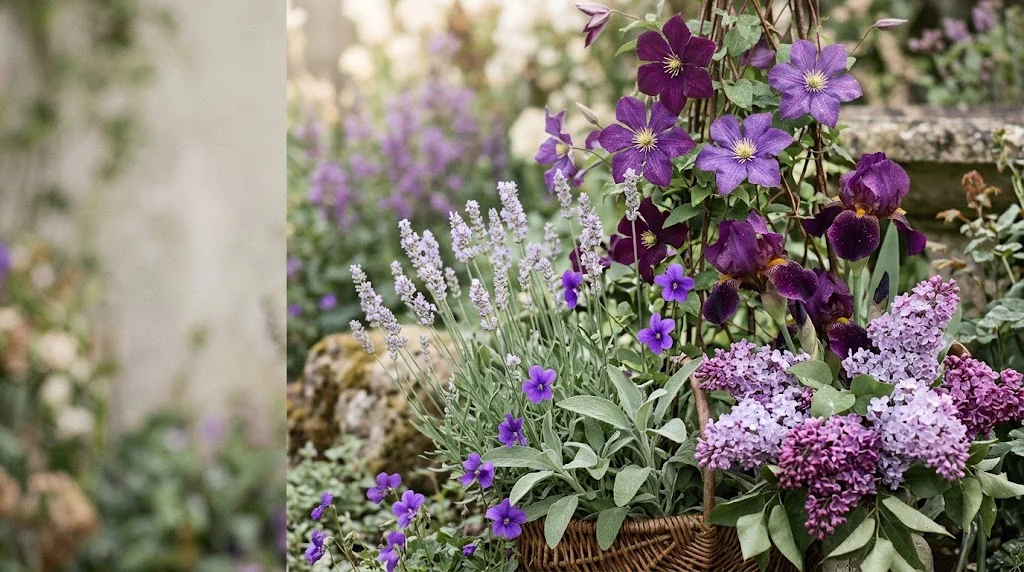
Popular purple flower names include lavender, lilac, violet, iris, wisteria, crocus, hyacinth, clematis, verbena, and bellflower. These flowers offer different shades, fragrances, growing habits, and symbolic associations for gardens and bouquets.
There is something magical about a purple flower. Its color can feel peaceful like a summer evening, rich like royal velvet, or delicate like the first bloom of spring. From tiny wildflowers growing along a garden path to elegant blossoms climbing over a garden arch, purple flowers bring beauty and character to almost any setting.
Exploring purple flower names is a wonderful way to discover new plants, understand their meanings, and find the right blooms for your garden or a special gift. Some flowers, such as lavender, are loved for their fragrance. Others, like iris and wisteria, stand out because of their striking shapes and graceful appearance.
Purple also comes in many shades, including pale lilac, soft lavender, vibrant violet, and deep plum. Each shade creates a different mood, making these flowers popular choices for garden designs, wedding arrangements, photography, and artistic inspiration.
1. Lavender — The Fragrant Purple Flower
Meaning
Calm, serenity, and devotion are common modern associations with lavender.
Origin
Lavender belongs to the genus Lavandula, native primarily to regions around the Mediterranean, with some species extending farther.
Personality
Lavender feels peaceful, graceful, and comforting. Its soft purple flower spikes create a relaxed atmosphere.
Style
Fragrant, classic, cottage-garden, and natural.
Best For
Garden borders, containers, dried bouquets, and scented garden spaces.
Popularity
Lavender is a widely recognized garden plant valued for its fragrance and attractive flowers.
Emotional Appeal
Its gentle scent and muted purple color can make an outdoor space feel restful and welcoming.
Pop Culture Reference
Lavender is strongly associated with fragrance products, gardens, and traditional herbal crafts.
Similar Flowers
Russian sage, catmint, salvia, hyssop, and purple thyme.
Why It Still Works Today
Lavender offers both beauty and fragrance. Many varieties attract pollinators, and established plants often tolerate dry conditions once their roots are developed. Most need plenty of sunlight and well-drained soil.
2. Lilac — A Romantic Flower with Vintage Charm
Meaning
Lilacs are often associated with spring, renewal, and youthful love, although meanings vary by tradition and color.
Origin
Lilacs belong to the genus Syringa and are native mainly to Europe and Asia.
Personality
Lilac blossoms feel nostalgic, romantic, and welcoming.
Style
Vintage, elegant, soft, and fragrant.
Best For
Spring gardens, flowering hedges, cottage landscapes, and cut-flower arrangements.
Popularity
Lilacs remain classic ornamental shrubs, especially in regions with cold winters.
Emotional Appeal
Their clustered blossoms and sweet fragrance make them a favorite for celebrating the arrival of spring.
Pop Culture Reference
Lilacs often appear in poetry and visual art as symbols of springtime and memory.
Similar Flowers
Wisteria, lavender, hyacinth, butterfly bush, and purple hydrangea.
Why It Still Works Today
Lilacs bring abundant blooms and fragrance to gardens. Most common lilacs need sunlight and a suitable winter chill to flower well, so choose a variety adapted to your local climate.
3. Violet — A Tiny Flower with Timeless Beauty
Meaning
Violets are commonly associated with modesty, faithfulness, and remembrance.
Origin
Violets belong to the genus Viola, which includes many species native to temperate regions worldwide.
Personality
Violets feel gentle, delicate, and quietly charming.
Style
Classic, cottage-style, natural, and understated.
Best For
Shaded garden areas, containers, borders, and woodland-style planting.
Popularity
Violets are familiar garden flowers, and some species also grow naturally in the wild.
Emotional Appeal
Their small petals and rich colors offer beauty without needing a large display.
Pop Culture Reference
Violets have a long presence in poetry, folklore, and traditional floral symbolism.
Similar Flowers
Pansies, violas, primroses, anemones, and woodland phlox.
Why It Still Works Today
Violets suit gardeners who enjoy smaller, delicate flowers. Growing needs vary by species, but many prefer cool conditions and moist, well-drained soil.
4. Iris — A Bold and Elegant Purple Bloom
Meaning
The iris is often linked with wisdom, hope, faith, and royalty in floral symbolism.
Origin
Iris is a large genus of flowering plants found across several regions of the Northern Hemisphere.
Personality
Iris flowers feel artistic, confident, and elegant.
Style
Architectural, sophisticated, colorful, and dramatic.
Best For
Perennial borders, garden focal points, and statement bouquets.
Popularity
Irises remain popular ornamental flowers because of their distinctive petals and wide range of colors.
Emotional Appeal
Their unusual shape creates a striking display even when planted in small groups.
Pop Culture Reference
In Greek mythology, Iris is the name of the goddess associated with the rainbow and a messenger of the gods.
Similar Flowers
Daylilies, gladiolus, alliums, agapanthus, and crocosmia.
Why It Still Works Today
Irises provide structure and color to garden designs. Different types need different conditions, so check your chosen iris prefers moist soil or a well-drained position.
5. Wisteria — Cascading Purple Flowers with Dreamy Beauty
Meaning
Wisteria is often associated with romance, grace, and enduring beauty in modern floral symbolism.
Origin
Wisteria is a genus of woody climbing vines native to East Asia and North America, depending on the species.
Personality
Its hanging clusters create a dreamy, romantic, and dramatic feeling.
Style
Elegant, cascading, vintage, and ornamental.
Best For
Pergolas, sturdy garden structures, and large outdoor spaces.
Popularity
Wisteria is a well-known ornamental vine admired for its long, hanging flower clusters.
Emotional Appeal
Its blooms can transform an ordinary wall or arch into a beautiful garden feature.
Pop Culture Reference
Wisteria frequently appears in garden photography and romantic landscape imagery.
Similar Flowers
Clematis, climbing roses, sweet peas, purple morning glory, and trumpet vine.
Why It Still Works Today
Wisteria creates impressive vertical displays, but it needs strong support and regular management. Some species grow aggressively, and all parts of wisteria can be toxic if eaten.
6. Crocus — A Small Purple Flower That Welcomes Spring
Meaning
Crocuses are often associated with new beginnings, hope, and the arrival of spring.
Origin
Crocus is a genus of corm-growing plants native to Europe, North Africa, and parts of Asia.
Personality
Crocuses feel cheerful, resilient, and fresh.
Style
Small, seasonal, natural, and cheerful.
Best For
Lawn edges, rock gardens, containers, and spring flower beds.
Popularity
Spring-flowering crocuses are widely planted for their early blooms.
Emotional Appeal
Their flowers often appear when much of the garden still looks bare, making them a welcome sign of warmer days.
Pop Culture Reference
Crocuses commonly feature in gardening guides about spring bulbs and seasonal planting.
Similar Flowers
Snowdrops, grape hyacinths, scillas, dwarf irises, and anemones.
Why It Still Works Today
Crocuses are compact and can create colorful displays when planted in groups. They generally grow from corms, and planting time depends on the variety flowers in spring or autumn.
7. Hyacinth — A Fragrant Flower in Rich Purple Shades
Meaning
Hyacinths are commonly associated with spring, sincerity, and renewal, though symbolism varies across traditions.
Origin
The garden hyacinth, Hyacinthus orientalis, is native to parts of the eastern Mediterranean region.
Personality
Hyacinths feel cheerful, expressive, and full of life.
Style
Fragrant, traditional, compact, and colorful.
Best For
Spring borders, decorative pots, indoor seasonal displays, and flower arrangements.
Popularity
Hyacinths are familiar spring-flowering bulbs valued for their dense clusters of fragrant flowers.
Emotional Appeal
Their scent can fill a small space, while their upright flower spikes add rich color.
Pop Culture Reference
In Greek mythology, Hyacinthus is associated with a tragic story involving Apollo and a flower said to have grown from his blood.
Similar Flowers
Grape hyacinth, lilac, lavender, muscari, and bluebells.
Why It Still Works Today
Hyacinths offer strong fragrance and bold color in a compact form. Their bulbs and other parts may irritate skin, and the plants are toxic if eaten, so handle them carefully around children and pets.
8. Verbena — A Colorful Purple Flower for Pollinators
Meaning
Verbena is often associated with healing and protection in historical folklore, though these are cultural associations rather than proven effects.
Origin
Verbena is a genus of flowering plants found in several parts of the world, including the Americas.
Personality
Verbena feels lively, open, and cheerful.
Style
Modern, naturalistic, colorful, and pollinator-friendly.
Best For
Sunny borders, hanging baskets, containers, and wildlife-friendly gardens.
Popularity
Garden verbenas are valued for their long flowering season and clusters of small flowers.
Emotional Appeal
Their spreading growth and bright colors can soften hard edges and attract butterflies.
Pop Culture Reference
Verbena appears in traditional herbal folklore, although specific uses and beliefs differ across cultures.
Similar Flowers
Lantana, phlox, salvia, catmint, and butterfly bush.
Why It Still Works Today
Many verbenas flower for long periods in sunny conditions. Requirements vary by species and cultivar, so check hardiness, watering needs, and the plant is suitable for your region.
9. Bellflower — Delicate Purple Blooms Shaped Like Bells
Meaning
Bellflowers are commonly associated with gratitude, affection, and humility in floral symbolism.
Origin
Bellflower is the common name for plants in the genus Campanula, many of which are native to temperate regions of the Northern Hemisphere.
Personality
Bellflowers feel gentle, cheerful, and naturally graceful.
Style
Cottage-garden, delicate, classic, and romantic.
Best For
Rock gardens, borders, containers, and informal flower beds.
Popularity
Bellflowers remain familiar ornamental plants, with varieties ranging from low-growing ground covers to taller garden flowers.
Emotional Appeal
Their bell-shaped blooms add movement and a soft, storybook quality to garden spaces.
Pop Culture Reference
Bellflowers often appear in traditional garden illustrations and cottage-style landscape photography.
Similar Flowers
Canterbury bells, foxgloves, bluebells, harebells, and balloon flowers.
Why It Still Works Today
The genus includes many sizes and growth habits, making it useful for different garden designs. Choose a species suited to your sunlight, soil, and local climate.
10. Clematis — A Climbing Purple Flower for Garden Displays
Meaning
Clematis is commonly associated with ingenuity and beauty in floral symbolism.
Origin
Clematis is a genus of climbing vines and other plants found in many parts of the world.
Personality
Clematis feels graceful, expressive, and adventurous.
Style
Romantic, vertical, decorative, and modern-classic.
Best For
Garden trellises, fences, pergolas, and containers with suitable support.
Popularity
Clematis is a familiar ornamental climbing plant, with many cultivars producing purple, violet, pink, or white flowers.
Emotional Appeal
Its blooms can create height and color without taking up much ground space.
Pop Culture Reference
Clematis is frequently featured in garden photography and ornamental horticulture.
Similar Flowers
Wisteria, climbing roses, sweet peas, passionflower, and morning glory.
Why It Still Works Today
Clematis offers a wide range of flower shapes and sizes. Growing requirements vary by variety, so check pruning group, sunlight needs, and hardiness before planting.
Quick Comparison Table
| Flower Name | Meaning or Association | Style | Best For |
|---|---|---|---|
| Lavender | Calm and serenity | Fragrant, classic | Borders and containers |
| Lilac | Spring and renewal | Vintage, romantic | Hedges and bouquets |
| Violet | Modesty and remembrance | Delicate, natural | Shaded areas |
| Iris | Hope and wisdom | Bold, elegant | Garden focal points |
| Wisteria | Grace and romance | Cascading, dramatic | Pergolas and arches |
| Crocus | New beginnings | Small, cheerful | Spring beds |
| Hyacinth | Renewal and sincerity | Fragrant, colorful | Pots and spring displays |
| Verbena | Folklore and protection | Airy, colorful | Sunny borders |
| Bellflower | Gratitude and affection | Delicate, classic | Cottage gardens |
| Clematis | Beauty and ingenuity | Climbing, elegant | Trellises and fences |
More Beautiful Purple Flower Names to Explore
Purple flowers come in countless shapes, sizes, and shades. These additional names can help you discover varieties for a garden, bouquet, or creative project.
Light Purple Flowers
- Phlox: Clusters of flowers that may appear in soft lilac and lavender shades.
- Scabiosa: Delicate, pincushion-shaped blooms available in purple tones.
- Pincushion Flower: A common name for several scabious flowers with airy petals.
- Japanese Anemone: A graceful perennial available in certain mauve and pink-purple cultivars.
- Allium: Ornamental onions with rounded flower heads in several purple shades.
- Balloon Flower: A perennial with buds that swell before opening into star-shaped blooms.
Dark Purple Flowers
- Purple Petunia: A popular bedding flower available in deep violet and plum shades.
- Queen of the Night Tulip: A dark, burgundy-purple tulip cultivar.
- Purple Calla Lily: An elegant flower available in rich purple cultivars.
- Dark Purple Dahlia: A striking garden flower available in deep plum tones.
- Purple Salvia: A flowering plant with upright spikes in violet and purple shades.
- Chocolate Cosmos: A dark reddish-brown flower often described as having a chocolate-like scent.
Small Purple Flowers
- Grape Hyacinth: Compact clusters of small, grape-like flowers.
- Forget-Me-Not: Small blue flowers, with some species or cultivars showing violet tones.
- Creeping Thyme: A low-growing herb that may produce tiny pink-purple flowers.
- Mazus: A low-growing ground cover with small purple or violet flowers.
- Ajuga: A spreading ground cover that produces upright flower spikes.
- Pansy: A familiar cool-season flower available in many purple patterns.
Purple Wildflowers
- Purple Coneflower: A prairie plant with daisy-like petals and a raised central cone.
- Wild Bergamot: A North American native plant with lavender-purple flower heads.
- Purple Loosestrife: A tall flowering plant with magenta-purple spikes; it is invasive in some regions.
- Common Self-Heal: A low-growing plant with purple flower spikes.
- Wild Violet: A small flowering plant found in various habitats, depending on species.
- Blue-Eyed Grass: A grass-like member of the iris family with small violet-blue flowers.
Always confirm the exact species before planting wildflowers. Some plants spread aggressively or are protected in certain locations.
How to Choose the Perfect Purple Flower
The best flower depends on where you want to grow it, how much care you can provide, and the look you want to create.
1. Choose the right shade. Pale lavender and lilac create a soft, romantic look. Deep violet and plum add contrast and drama.
2. Check sunlight requirements. Lavender generally prefers full sun, while some violets tolerate shade. Match the plant to your garden’s conditions.
3. Consider fragrance. Lavender, lilac, and hyacinth are known for their fragrance. If scent matters, check the variety before buying.
4. Think about flowering time. Crocuses often flower in spring or autumn, depending on the species. Lilacs generally bloom in spring, while many verbenas flower for a longer season.
5. Decide between annuals and perennials. Annuals usually complete their life cycle in one growing season. Perennials can return over multiple years under suitable conditions.
6. Plan for space. Wisteria needs strong support and room to grow, while violets and crocuses can fit into smaller spaces.
7. Consider pollinators. Many flowering plants provide nectar or pollen for bees and butterflies. Choose suitable varieties and avoid unnecessary pesticide use.
8. Check pet safety. Some ornamental flowers are toxic if eaten. Hyacinths, irises, and wisteria can pose risks, so verify plant safety if pets or small children may chew them.
Popular Purple Flowers for Gardens and Bouquets
These flowers are familiar choices for different settings, although local availability and suitability vary.
- Lavender: Best known for its scent and silvery foliage.
- Lilac: A classic flowering shrub with fragrant spring clusters.
- Iris: A striking flower for garden borders and arrangements.
- Purple Petunia: Useful for pots, hanging baskets, and seasonal beds.
- Clematis: Excellent for adding vertical interest.
- Purple Dahlia: A colorful option for late-season gardens and bouquets.
- Hyacinth: A compact, fragrant spring bulb.
- Verbena: A good choice for many sunny, pollinator-friendly gardens.
- Bellflower: Suitable for a range of borders and cottage-style plantings.
- Purple Coneflower: A recognizable perennial for naturalistic gardens.
There is no single flower that is best for every garden. Climate, soil, sunlight, and maintenance needs matter more than popularity alone.
Vintage Purple Flowers That Remain Garden Favorites
Some purple flowers have a timeless appearance that suits traditional gardens and vintage-inspired bouquets.
- Lilac: Loved for its spring fragrance and nostalgic charm.
- Violet: A delicate flower with a long history in literature and floral symbolism.
- Iris: A classic garden perennial with distinctive petals.
- Hyacinth: A traditional spring bulb valued for its fragrance.
- Sweet Pea: A climbing or trailing flower with delicate blooms and many color options.
- Stock: A fragrant flowering plant available in lavender and purple shades.
- Delphinium: A tall flower spike that may feature rich blue-purple tones.
- Foxglove: A tall ornamental plant with bell-shaped flowers; all parts are toxic if eaten.
Their vintage appeal comes from their long-standing place in gardens, floral arrangements, and decorative traditions, not from a verified current trend ranking.
Modern Purple Flower Trends
Modern garden design often uses purple flowers to create contrast, texture, and pollinator-friendly spaces.
Naturalistic planting: Verbena, salvia, and purple coneflower can work well in informal planting schemes.
Container gardening: Compact petunias, pansies, and selected dwarf varieties suit patios and balconies.
Vertical gardens: Clematis and suitable climbing plants bring purple blooms to fences and trellises.
Pollinator planting: Choose flowers that provide accessible nectar or pollen and are appropriate for local wildlife.
Monochromatic gardens: Combine pale lavender, medium violet, and dark plum flowers for depth without introducing too many colors.
Mixed-color borders: Purple works well with white, silver, yellow, and soft pink flowers.
These are design approaches rather than guaranteed trends. Select plants based on local conditions and their actual growing requirements.
FAQs
Q1. What are the most popular purple flower names?
Lavender, lilac, violet, iris, wisteria, crocus, hyacinth, verbena, bellflower, and clematis are familiar purple-flowering plants. Their popularity varies by region, climate, and gardening tradition.
Q2. Which purple flowers have the strongest fragrance?
Lavender, lilac, and hyacinth are well known for their fragrance. Scent strength varies by species, cultivar, weather, and growing conditions, so check the variety before purchasing.
Q3. What do purple flowers symbolize?
Purple flowers are often associated with admiration, elegance, mystery, dignity, and enchantment. Specific meanings depend on the flower, cultural tradition, and occasion, so these associations should not be treated as universal rules.
Q4. Which purple flowers are easiest to grow?
Suitable choices may include lavender in sunny, well-drained locations, crocuses in appropriate climates, and certain petunias in containers. The easiest plant depends on your local weather, soil, and available sunlight.
Q5. What are some rare purple flower names?
Chocolate cosmos, certain dark dahlia cultivars, and unusual purple orchids can feel distinctive. Availability varies widely, and a flower described as rare in one region may be commonly cultivated elsewhere.
Q6. Which purple flowers bloom all summer?
Some verbenas, petunias, salvias, and clematis cultivars can flower over long periods under suitable conditions. Bloom duration depends on the variety, climate, sunlight, watering, and maintenance.
Q7. Are purple flowers safe for cats and dogs?
Not all purple flowers are pet-safe. Irises, hyacinths, and wisteria can be toxic if eaten, so identify plants carefully and consult a veterinarian or a reliable animal-poison resource if ingestion occurs.
Q8. Which purple flowers are best for bouquets?
Iris, lavender, lilac, hyacinth, and suitable dahlia varieties can make beautiful arrangements. Choose flowers based on season, fragrance, vase life, and the arrangement will be kept around pets or children.
Conclusion
Purple flowers offer a beautiful mix of color, fragrance, texture, and symbolism. From the soothing scent of lavender to the dramatic clusters of wisteria and the delicate petals of violets, each bloom brings something different to a garden or bouquet.
Exploring purple flower names can help you discover plants that match your personal style, growing space, and favorite shade. Some are perfect for sunny borders, while others suit containers, climbing structures, or naturalistic gardens. Before choosing, check each plant’s sunlight needs, climate suitability, flowering season, and safety around pets.
You do not need a huge garden to enjoy purple blooms. A single pot of lavender or a small group of crocuses can create a lovely display.
Choose your favorite flower, share this guide with another nature lover, and leave a comment telling us which purple bloom you would most like to grow.
Discover More Related Articles:
- 101 Country Dog Names | For a Rustic, Charming & Southern Pup In 2026
- 100 Badass Dog Names | For Tough, Cool & Fearless Dogs In 2026
- 300 French Dog Names | Elegant, Cute & Unique Ideas for Your Pup In 2026