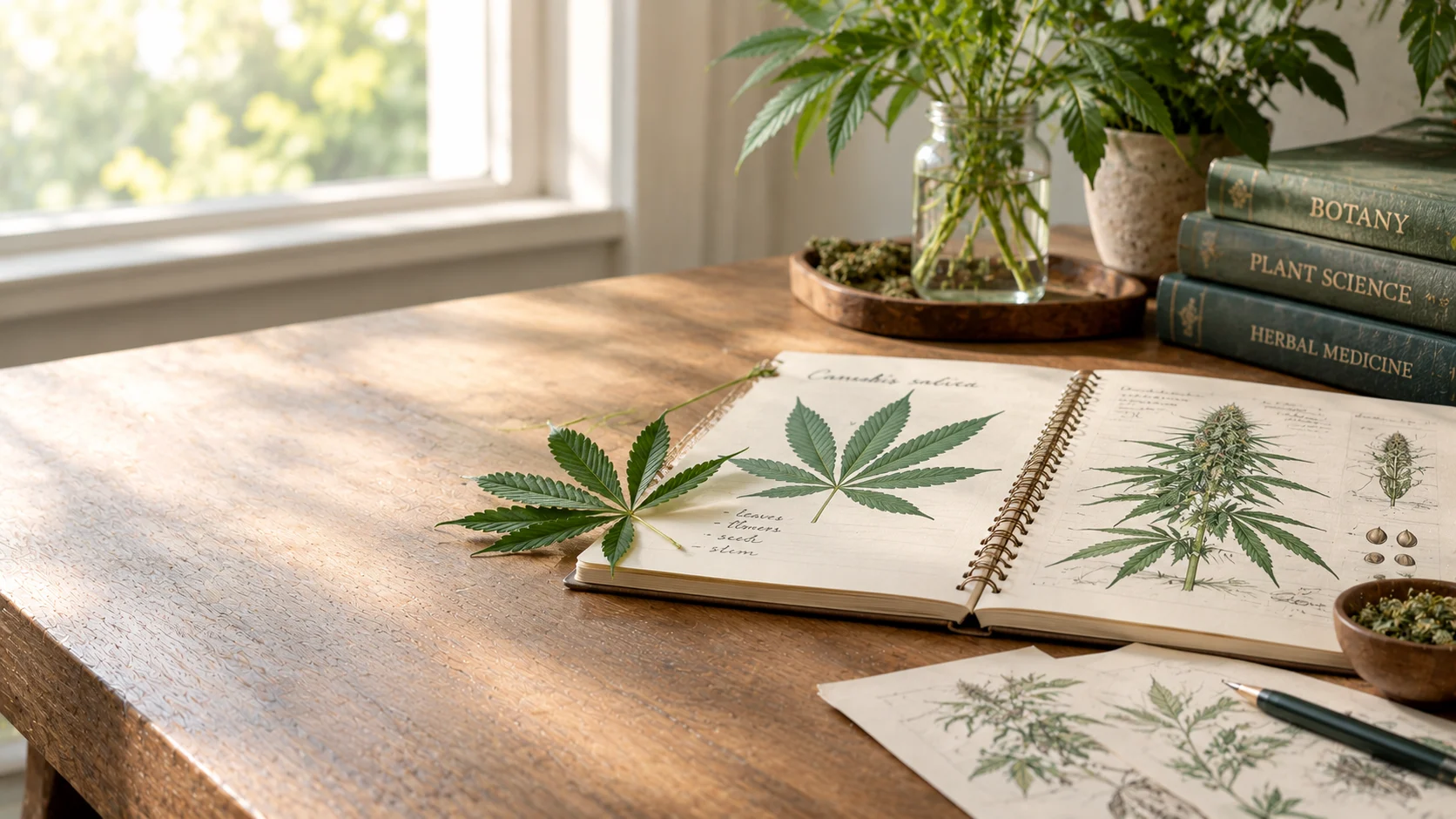
Common names for weed include cannabis, marijuana, pot, grass, herb, bud, ganja, reefer, and Mary Jane. These terms vary in origin, tone, and cultural context, with some used as slang and others as formal terminology.
Some words become famous because of history, while others stick around because they are funny, memorable, or easy to say. Cannabis has a particularly varied vocabulary, with names that range from familiar everyday slang to expressions shaped by music, movies, and regional cultures.
If you are searching for names for weed, you may be curious about classic terms like Mary Jane and reefer, familiar words such as grass and herb, or more playful names that people use in jokes, stories, and online conversations.
Each expression has its own feel. Some sound old-fashioned, others are casual and modern, and a few have cultural roots that deserve more than a one-line explanation. It is also important to remember that not every slang term means exactly the same thing everywhere. Regional usage, personal preference, and context can all affect meaning.
This guide explores ten recognizable cannabis-related names, explains their general usage, and shares additional creative ideas for writers, social media creators, and anyone interested in language. You will also find a comparison table, naming tips, frequently asked questions, and image prompts to help you build a complete resource.
1. Mary Jane | A Classic Name for Weed
Meaning: A familiar slang expression for cannabis.
Origin: Mary Jane is widely understood as a playful English-language expression associated with marijuana. Its precise historical development is not entirely settled, so it is best treated as established slang rather than assigned a definite single origin.
Personality: Friendly, recognizable, and slightly nostalgic.
Style: Classic, conversational, and pop-culture inspired.
Best For: Articles about slang, fictional dialogue, wordplay, and discussions of cannabis terminology.
Popularity: Mary Jane has been used for decades and remains recognizable in English-language media, although usage differs by region.
Emotional Appeal: The name sounds like an ordinary person’s name, giving it a memorable and playful quality.
Pop Culture Reference: The expression appears in entertainment, music, and discussions of cannabis culture.
Similar Names: MJ, Mary J., Jane, Miss Jane, Lady Jane.
Why It Still Works Today: Mary Jane is short, familiar, and easy to recognize. Its established cultural associations make it a useful example of how everyday names can develop additional meanings through slang.
2. Ganja | A Name with South Asian Roots
Meaning: A term for cannabis.
Origin: Ganja comes through Hindi and related South Asian language usage, with historical connections to Sanskrit terminology. The word has traveled across languages and cultures over time.
Personality: Cultural, direct, and recognizable.
Style: Traditional, international, and informal.
Best For: Language articles, cultural discussions, music-related writing, and explanations of cannabis vocabulary.
Popularity: Ganja is widely recognized internationally, especially through music, media, and discussions of cannabis culture.
Emotional Appeal: Its distinctive sound and long cultural history make it memorable.
Pop Culture Reference: Ganja is frequently associated with reggae music and Jamaican popular culture. However, the word has broader South Asian linguistic roots and should not be treated as exclusively Jamaican.
Similar Names: Herb, Grass, Cannabis, Marijuana, Bud.
Why It Still Works Today: Ganja illustrates how a word can move between cultures and acquire wider recognition. Its history also shows why it is important to distinguish a word’s linguistic roots from its modern cultural associations.
3. Herb | A Simple, Nature-Inspired Name for Weed
Meaning: A plant or, in cannabis slang, a term referring to cannabis.
Origin: Herb comes from Old French and Latin roots associated with plants and vegetation. Its cannabis-related use is an informal extension of the broader plant meaning.
Personality: Natural, understated, and relaxed.
Style: Simple, earthy, and classic.
Best For: Informal conversation, educational writing about slang, fictional dialogue, and nature-inspired naming lists.
Popularity: Herb is a familiar English word that also appears in cannabis-related vocabulary. Its interpretation depends on context.
Emotional Appeal: The word sounds ordinary and approachable because herbs are a familiar part of gardening and cooking.
Pop Culture Reference: Herb appears in music and informal expressions associated with cannabis culture.
Similar Names: Green, Grass, Flower, Leaf, Bud.
Why It Still Works Today: Herb is short and versatile. It can refer to plants generally or function as slang, so the surrounding sentence usually determines its intended meaning.
4. Grass | An Old-School Name for Weed
Meaning: A slang term for cannabis.
Origin: Grass is an ordinary English word for green vegetation. Its slang use developed as part of the wider vocabulary associated with marijuana.
Personality: Casual, nostalgic, and straightforward.
Style: Vintage, conversational, and earthy.
Best For: Historical discussions of slang, retro-themed writing, comedy, and fictional dialogue.
Popularity: Grass is an established slang expression, particularly recognizable in older English-language references and cultural material.
Emotional Appeal: Its familiar everyday meaning gives the expression an understated, memorable quality.
Pop Culture Reference: Grass appears in older music, films, and discussions of counterculture vocabulary.
Similar Names: Herb, Green, Flower, Leaf, Ganja.
Why It Still Works Today: Grass is easy to understand when the context is clear. It also offers a useful example of how common words can take on specialized meanings within particular communities.
5. Bud | A Familiar Cannabis-Related Name
Meaning: A flower bud; in cannabis terminology, a commonly used word for the plant’s flowering material.
Origin: Bud is an established English word for an undeveloped flower or shoot. Cannabis-related usage draws on that botanical meaning.
Personality: Short, casual, and approachable.
Style: Modern, simple, and conversational.
Best For: Educational articles, botanical explanations, fictional conversations, and discussions of common cannabis vocabulary.
Popularity: Bud is widely recognized in cannabis-related English, but it also has many unrelated meanings, including a friendly form of address.
Emotional Appeal: Its short, familiar sound makes it easy to remember and use in conversation.
Pop Culture Reference: Bud appears in casual speech and cannabis-related media, although its meaning depends on the surrounding context.
Similar Names: Flower, Herb, Leaf, Green, Blossom.
Why It Still Works Today: Bud connects everyday botanical language with specialized terminology. It is useful in writing because readers may already understand its basic plant-related meaning.
6. Pot | A Short and Traditional Slang Term
Meaning: An informal term for marijuana.
Origin: Pot has been used in English-language marijuana slang for many decades. Its exact etymological pathway is debated, so a single definitive origin should not be assumed.
Personality: Direct, familiar, and informal.
Style: Classic, simple, and old-school.
Best For: General-interest articles, explanations of historical slang, and conversations where the meaning is clear.
Popularity: Pot remains a recognizable term, particularly in older media and everyday English.
Emotional Appeal: Its one-syllable structure makes it easy to remember and understand.
Pop Culture Reference: Pot has appeared widely in comedy, journalism, films, and music associated with cannabis.
Similar Names: Grass, Herb, Reefer, Weed, Marijuana.
Why It Still Works Today: Pot remains part of the familiar English vocabulary surrounding cannabis. However, the word also has ordinary meanings, such as a cooking vessel, so context matters.
7. Reefer | A Vintage Name for Weed
Meaning: A slang term for marijuana.
Origin: Reefer became prominent in American English during the early twentieth century. Its deeper word history is not completely certain, and proposed explanations should be treated cautiously.
Personality: Retro, distinctive, and culturally nostalgic.
Style: Vintage, old-school, and theatrical.
Best For: Historical writing, vintage-themed content, fictional period dialogue, and discussions of older slang.
Popularity: Reefer is less typical of casual modern conversation than many familiar contemporary terms, but it remains recognizable through historical and popular culture.
Emotional Appeal: The word evokes an earlier era of slang and entertainment.
Pop Culture Reference: The term is strongly associated with the 1936 film Reefer Madness, a sensationalized anti-marijuana film that later became a subject of satire and cult-film interest.
Similar Names: Pot, Grass, Herb, Mary Jane, Dope.
Why It Still Works Today: Reefer carries a distinctive historical tone. It is especially useful when discussing how language reflects changing social attitudes toward cannabis.
8. Flower | A Botanical Name for Cannabis
Meaning: A flowering part of a plant; in cannabis terminology, the term commonly refers to its harvested flowering material.
Origin: Flower is an ordinary English botanical word with roots in older European languages. Its cannabis-related meaning follows from the plant’s flowering structure.
Personality: Natural, descriptive, and understated.
Style: Botanical, modern, and nature-inspired.
Best For: Educational content, botanical writing, terminology guides, and discussions that benefit from a more descriptive word.
Popularity: Flower is a familiar term in contemporary cannabis vocabulary, particularly in contexts that distinguish plant material from other cannabis products.
Emotional Appeal: The word is clear and descriptive without relying on a humorous or historical nickname.
Pop Culture Reference: Flower is used broadly in gardening, botany, art, and cannabis-related writing rather than being tied to one particular entertainment reference.
Similar Names: Blossom, Bud, Herb, Leaf, Green.
Why It Still Works Today: Flower connects cannabis terminology to familiar botanical language. It is especially appropriate when clarity matters more than humor or slang.
9. Green | A Short, Color-Inspired Name
Meaning: A color-based expression associated with green plant material; its interpretation depends on context.
Origin: Green comes from Old English and other Germanic language roots. Its use in cannabis-related slang draws on the plant’s commonly recognized color.
Personality: Minimal, modern, and nature-inspired.
Style: Simple, aesthetic, and informal.
Best For: Creative writing, themed naming lists, wordplay, and general discussions of color-inspired slang.
Popularity: Green is a common word across many subjects. Its cannabis-related meaning is informal and not universal.
Emotional Appeal: Its simplicity makes it easy to recognize and adapt for creative contexts.
Pop Culture Reference: Green has many associations in music, environmental language, fashion, and visual culture, so no single reference defines its slang use.
Similar Names: Herb, Grass, Leaf, Clover, Emerald.
Why It Still Works Today: Green is versatile and visually evocative. Because it has numerous ordinary meanings, writers should provide enough context to avoid confusion.
10. Chronic | A Recognizable Cannabis Slang Term
Meaning: A slang term associated with cannabis, particularly in some American popular-culture contexts.
Origin: Chronic comes from the Greek-rooted medical term chronic, which describes something persistent or long-lasting. Its cannabis slang use is a separate, informal development whose precise history is difficult to establish definitively.
Personality: Bold, memorable, and strongly associated with particular music scenes.
Style: Urban, music-inspired, and informal.
Best For: Cultural writing, explanations of slang in music, and historical discussions of American cannabis vocabulary.
Popularity: Chronic became especially recognizable through American hip-hop and related popular culture. It is not necessarily used in the same way in every region.
Emotional Appeal: Its strong sound and cultural associations make it memorable.
Pop Culture Reference: The Chronic, the 1992 album by Dr. Dre, helped make the term particularly prominent in hip-hop culture.
Similar Names: Herb, Grass, Ganja, Bud, Reefer.
Why It Still Works Today: Chronic remains recognizable because of its music-related cultural history. It also illustrates how entertainment can help spread slang beyond its original communities.
Quick Comparison Table
| Name | General Meaning | Style | Best For |
|---|---|---|---|
| Mary Jane | Cannabis slang | Classic | Slang articles |
| Ganja | Cannabis | Cultural, international | Language and culture |
| Herb | Plant-related slang | Earthy, simple | General writing |
| Grass | Cannabis slang | Vintage | Historical references |
| Bud | Flowering material | Casual | Terminology guides |
| Pot | Marijuana slang | Traditional | Everyday language |
| Reefer | Marijuana slang | Retro | Historical content |
| Flower | Cannabis flowering material | Botanical | Educational writing |
| Green | Color-inspired expression | Minimal | Creative word lists |
| Chronic | Cannabis slang | Music-inspired | Pop-culture articles |
More Funny, Cool, and Creative Names for Weed
Beyond established slang, writers and creators may use playful expressions for fictional characters, themed lists, word games, or cannabis-related content. The ideas below are creative suggestions, not claims that each phrase is an established or widely used slang term.
Funny and Playful Names
- The Green Bean
- Leaf Erikson
- Sir Smokes-a-Lot
- Captain Chlorophyll
- The Leafy Legend
- Green Machine
- The Herb Whisperer
- Professor Photosynthesis
- Leafy McLeafface
- The Botanical Bandit
- The Green Goblin
- Lord of the Leaves
- The Garden Giggle
- The Leaf Geek
- The Plant Comedian
Cool and Modern Names
- Emerald Echo
- Green Horizon
- Velvet Leaf
- Midnight Green
- Urban Botanica
- Evergreen Muse
- Jade Shadow
- Verdant Vibe
- Green Orbit
- Leaf Theory
- Emerald Drift
- Botanical Noir
- The Green Collective
- Wildwood
- Verdant Vision
Cute and Aesthetic Names
- Little Leaf
- Green Bean
- Clover
- Lucky Leaf
- Tiny Sprout
- Mossy
- Fern
- Petal
- Clover Cloud
- Green Pixie
- Willow Leaf
- Sage
- Blossom
- Juniper
- Garden Sprite
Vintage-Inspired Names
- Reefer Classic
- Old-School Green
- The Grass Era
- Retro Herb
- Vintage Leaf
- The Emerald Age
- Classic Clover
- The Green Archive
- Botanical Blues
- The Old Garden
Nature-Inspired Names
- Forest Whisper
- Mountain Green
- Wild Fern
- Evergreen
- Meadow Leaf
- Moss Garden
- Cedar Shade
- Clover Field
- Rainforest Echo
- Woodland Green
These additional suggestions are creative word combinations. Their suitability depends on the intended audience, context, and local language.
How to Choose the Perfect Name for Weed
A good name depends on what you want it to communicate. A term that works in a humorous list might not suit a historical article or an educational resource.
1. Decide on the tone. Choose classic words such as Pot or Reefer for historical slang discussions, or imaginative phrases such as Emerald Echo for creative projects.
2. Consider the audience. Readers familiar with cannabis vocabulary may recognize terms such as Ganja and Bud. A general audience may need a short explanation.
3. Check the meaning. Some words have multiple meanings. Green, Herb, and Bud can refer to ordinary plants or unrelated subjects, so use them clearly.
4. Respect cultural origins. Ganja has South Asian linguistic roots, while other expressions developed through English-language slang. Avoid treating every cannabis term as interchangeable or attributing all slang to one culture.
5. Keep the name memorable. Short names and familiar words are often easier to understand. Creative combinations work best when readers can quickly understand the intended idea.
6. Avoid unsupported popularity claims. A term’s familiarity in a particular country, generation, or music scene does not prove that it is the most popular name everywhere.
7. Consider legal and publishing requirements. Cannabis laws and content restrictions vary by location and platform. If you publish an article, check the rules that apply to your audience.
Ultimately, the best name is one that fits your purpose and communicates the meaning you intend.
Most Recognizable Names for Weed
These terms are commonly encountered in English-language discussions of cannabis, although their frequency varies by region and context:
- Cannabis
- Marijuana
- Weed
- Pot
- Grass
- Herb
- Ganja
- Mary Jane
- Bud
- Flower
- Reefer
- Chronic
Cannabis is the formal botanical and scientific term most suitable for neutral educational writing. Marijuana and weed are also widely recognized, while terms such as Reefer and Chronic carry more specific historical or cultural associations.
This is a curated list of familiar terms, not a measured popularity ranking.
Vintage Names for Weed That Still Appear in Popular Culture
Older slang remains useful for understanding historical writing, films, music, and changing attitudes toward cannabis.
- Reefer: Associated with early twentieth-century American slang and the film Reefer Madness.
- Grass: A familiar term in older English-language counterculture vocabulary.
- Pot: A long-established informal word for marijuana.
- Mary Jane: A recognizable, playful expression for cannabis.
- Dope: A broader slang word that can refer to different substances or have unrelated meanings.
- Herb: A plant-related term that also appears in cannabis slang.
These words differ in tone and history. Some remain in everyday use, while others sound distinctly retro depending on the speaker and setting.
Modern Cannabis Naming Trends
Cannabis-related language changes with music, social media, regional slang, and broader cultural conversations. Several naming styles are useful to understand.
Short, direct terminology: Words such as cannabis, weed, and bud are easy to recognize and commonly used in informal English-language discussions.
Botanical language: Flower, leaf, herb, and green connect cannabis vocabulary with familiar plant terminology. These words can sound more descriptive than older slang.
Music-influenced language: Certain expressions became more recognizable through hip-hop, reggae, and other music cultures. Their meanings should be explained in the cultural context where they developed.
Humorous wordplay: Phrases such as Leaf Erikson and Captain Chlorophyll use familiar names or scientific vocabulary to create a joke. These are creative suggestions rather than established cannabis slang.
Aesthetic naming: Phrases such as Emerald Echo and Velvet Leaf combine color, nature, and imagery. They can work for fictional settings, editorial themes, or creative naming exercises.
There is no single naming style that represents every cannabis community. The most accurate approach is to distinguish established terms from newly invented expressions and to explain cultural references where relevant.
FAQs
Q1. What are the most common names for weed?
Cannabis, marijuana, weed, pot, grass, herb, and bud are familiar terms. Their usage varies by region and context.
Q2. What does Mary Jane mean?
Mary Jane is a well-known slang expression for cannabis. Its precise historical origin is uncertain.
Q3. Is ganja the same as marijuana?
Ganja generally refers to cannabis. The word has South Asian linguistic roots and is used internationally.
Q4. Why is cannabis sometimes called grass?
Grass is an ordinary English word that also developed a slang meaning for cannabis. Its intended meaning depends on context.
Q5. What does reefer mean?
Reefer is an older slang term for marijuana. It is also associated with the 1936 film Reefer Madness.
Q6. Is flower another name for weed?
Flower refers to the flowering material of the cannabis plant in cannabis terminology. It is more descriptive than many slang expressions.
Q7. Are funny weed names established slang?
Not necessarily. Names such as Leaf Erikson and Captain Chlorophyll are creative wordplay ideas rather than verified traditional slang terms.
Q8. Which term is best for an educational article?
Cannabis is generally the clearest formal term for neutral educational writing. Explain slang terms separately when they are relevant to the topic.
Conclusion
The vocabulary surrounding cannabis includes familiar everyday words, older slang, culturally significant expressions, and playful modern word combinations. Terms such as Mary Jane, Ganja, Herb, Grass, and Reefer each carry different associations, while Flower and Bud connect more directly to botanical terminology.
When exploring names for weed, it helps to understand both the meaning of each expression and the context in which people use it. A term that sounds humorous in a fictional story may carry a different historical or cultural meaning elsewhere.
If you are creating a blog post, naming a fictional character, or studying slang, choose language that fits your audience and explain unfamiliar terms clearly. Remember that creative suggestions are not automatically established slang, and word origins should be verified before publication.
Which name or expression did you find most interesting? Share this guide with someone who enjoys language and wordplay, and leave a comment with another term you think belongs on the list.
Discover More Related Articles:
- 345 Sesame Street Characters Names | A Colorful Journey Through Childhood Favorites In 2026
- 345 Sanderson Sisters Names | Meet the Three Bewitching Witches of Hocus Pocus In 2026
- 378 Hocus Pocus Witches Names | For Magical Souls In 2026