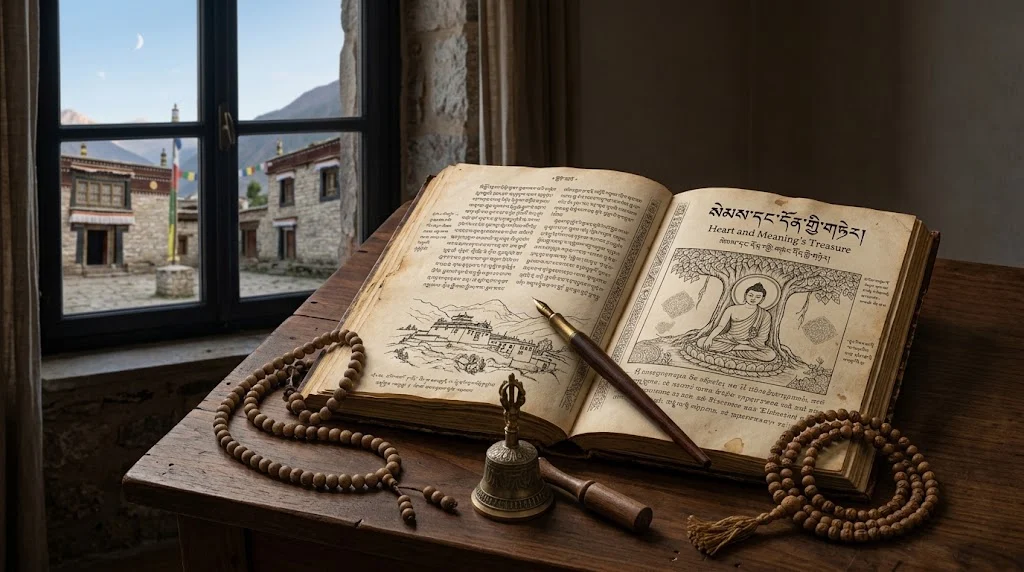
Monk names are names associated with monastic, Buddhist, Zen, or spiritual traditions. They often suggest qualities such as wisdom, peace, compassion, discipline, meditation, humility, and inner strength.
A good name can tell a story before a character ever speaks. It can suggest wisdom, mystery, discipline, kindness, or quiet strength. That is why monk names are so appealing to writers, gamers, fantasy creators, and anyone looking for a name with deeper meaning.
Monastic traditions around the world use different naming customs. Buddhist monks, Christian monks, Hindu ascetics, and members of other spiritual traditions may receive or choose names according to their own religious practices. There is no single universal system for creating a monk name.
For fictional characters, however, you have much more freedom. A monk character might be gentle and thoughtful, a wandering teacher, a disciplined warrior, or an ancient guardian who has spent decades seeking wisdom.
This guide explores meaningful monk-inspired names, their associations, styles, personalities, and best uses. It also includes peaceful, ancient, powerful, and fantasy-friendly ideas to help you find a name that feels right.
Ananda
Meaning: Joy or happiness
Origin: Sanskrit
Personality: Ananda feels warm, gentle, loyal, and thoughtful. It works especially well for a monk character who teaches through kindness rather than force.
Style: Peaceful, spiritual, classic, elegant.
Best For: A Buddhist-inspired character, wise teacher, healer, monk in a novel, or calm RPG character.
Popularity: Ananda is a historically significant name in Buddhist tradition and is recognizable beyond fictional naming.
Emotional Appeal: Its association with joy gives the name a hopeful quality. It sounds spiritual without feeling harsh or overly dramatic.
Pop Culture Reference: Ananda is strongly associated with Ānanda, a close disciple of the Buddha in Buddhist tradition.
Similar Names: Bodhi, Dharma, Siddhartha, Maitreya, Ashoka.
Why It Still Works Today: Ananda is short, memorable, meaningful, and easy to pronounce, making it useful for both historical-inspired and fictional settings.
Bodhi
Meaning: Awakening or enlightenment
Origin: Sanskrit
Personality: Bodhi suggests someone calm, observant, patient, and deeply reflective. It suits a character who values understanding over conflict.
Style: Modern, spiritual, peaceful, minimalist.
Best For: A young monk, meditation teacher, fantasy character, spiritual hero, or game character.
Popularity: Bodhi has also become familiar as a personal name outside religious contexts, giving it a modern feel.
Emotional Appeal: The idea of awakening makes Bodhi especially attractive for stories about transformation, self-discovery, or wisdom.
Pop Culture Reference: Bodhi is a recognizable given name in modern popular culture, although its deeper meaning comes from Buddhist terminology.
Similar Names: Dharma, Ananda, Zen, Maitreya, Siddha.
Why It Still Works Today: Bodhi is concise and meaningful. It can sound ancient in a historical setting while still fitting a modern fantasy world.
Dharma
Meaning: Teaching, law, duty, or way
Origin: Sanskrit
Personality: Dharma feels disciplined, thoughtful, principled, and serious. It is a strong choice for a monk whose life revolves around teachings and moral responsibility.
Style: Ancient, powerful, philosophical, spiritual.
Best For: A teacher, monastery elder, martial monk, fantasy sage, or philosophical character.
Popularity: Dharma is a well-known religious and philosophical term, particularly in Indian traditions and Buddhism.
Emotional Appeal: The name carries a sense of purpose. It works especially well when a character follows a strict personal code.
Pop Culture Reference: Dharma appears widely in discussions of Indian religions and Buddhist philosophy, rather than being limited to one fictional work.
Similar Names: Bodhi, Karma, Ananda, Siddhartha, Muni.
Why It Still Works Today: Dharma immediately creates a spiritual atmosphere and gives a fictional character a strong sense of identity.
Dōgen
Meaning: Traditionally interpreted through its Japanese Buddhist name elements
Origin: Japanese
Personality: Dōgen feels scholarly, disciplined, contemplative, and serious. It suits a character devoted to meditation and philosophical study.
Style: Japanese, Zen, traditional, intellectual.
Best For: A Zen-inspired character, monastery master, historical-fiction figure, or wise teacher.
Popularity: Dōgen is strongly associated with Japanese Zen Buddhism and the Sōtō Zen tradition.
Emotional Appeal: The name has a quiet, scholarly character. It suggests someone who values practice, patience, and careful observation.
Pop Culture Reference: Dōgen is associated with Eihei Dōgen, an influential Japanese Zen Buddhist teacher and founder of the Sōtō school in Japan.
Similar Names: Hakuin, Eisai, Kūkai, Ryōkan, Bodhi.
Why It Still Works Today: Dōgen gives a character an unmistakably contemplative atmosphere and works particularly well in historical or Japanese-inspired fiction.
Hakuin
Meaning: Japanese Buddhist name
Origin: Japanese
Personality: Hakuin suggests intensity beneath calmness. It fits a monk who is disciplined, determined, energetic, and committed to spiritual training.
Style: Zen, traditional, mysterious, strong.
Best For: A martial monk, Zen master, mentor, historical character, or disciplined fantasy warrior.
Popularity: Hakuin is particularly associated with Japanese Zen history.
Emotional Appeal: The name feels distinctive without being overly complicated. It can make a character seem experienced and formidable.
Pop Culture Reference: Hakuin Ekaku was an important Japanese Zen teacher known for his influence on Rinzai Zen.
Similar Names: Dōgen, Eisai, Ryōkan, Kūkai, Bodhidharma.
Why It Still Works Today: Hakuin has a memorable sound and carries a strong historical association, making it useful for serious monk characters.
Nāgārjuna
Meaning: Traditionally associated with a major Buddhist philosopher
Origin: Sanskrit
Personality: Nāgārjuna feels intellectual, mysterious, analytical, and profound. It suits a monk character who spends years studying philosophy and seeking deeper truths.
Style: Ancient, scholarly, powerful, philosophical.
Best For: A sage, philosopher, monastery scholar, ancient teacher, or fantasy intellectual.
Popularity: Nāgārjuna is one of the best-known names in the history of Buddhist philosophy.
Emotional Appeal: The name feels ancient and authoritative. It immediately gives a fictional character a scholarly presence.
Pop Culture Reference: Nāgārjuna was a major Buddhist philosopher traditionally associated with the Madhyamaka school.
Similar Names: Bodhidharma, Dharma, Maitreya, Ananda, Siddhartha.
Why It Still Works Today: Its historical depth makes it particularly effective for epic stories, historical fiction, and fantasy worlds inspired by ancient Asian traditions.
Maitreya
Meaning: Loving-kindness or friendliness
Origin: Sanskrit
Personality: Maitreya feels compassionate, hopeful, patient, and gentle. It works beautifully for a monk character whose strength comes from kindness.
Style: Elegant, peaceful, spiritual, timeless.
Best For: A healer, spiritual guide, peaceful monk, fantasy sage, or compassionate teacher.
Popularity: Maitreya has an important place in Buddhist tradition as the name of a future Buddha.
Emotional Appeal: Its association with loving-kindness gives the name a warm and uplifting feeling.
Pop Culture Reference: Maitreya appears in Buddhist teachings and traditions as the future Buddha.
Similar Names: Bodhi, Ananda, Dharma, Karuna, Siddha.
Why It Still Works Today: Maitreya sounds distinctive and meaningful while offering a softer alternative to more powerful-sounding monk names.
Kūkai
Meaning: Japanese Buddhist name
Origin: Japanese
Personality: Kūkai suggests creativity, scholarship, spirituality, and leadership. It fits a character who combines religious devotion with intellectual curiosity.
Style: Japanese, ancient, scholarly, refined.
Best For: A temple founder, monk scholar, magical sage, historical character, or fantasy teacher.
Popularity: Kūkai is closely associated with Japanese Buddhist history and the Shingon tradition.
Emotional Appeal: The name has an unusual and memorable sound, making it attractive for characters who need a distinctive identity.
Pop Culture Reference: Kūkai, also known as Kōbō-Daishi, was an influential Japanese Buddhist monk, scholar, and religious founder.
Similar Names: Dōgen, Hakuin, Eisai, Ryōkan, Bodhidharma.
Why It Still Works Today: Kūkai works particularly well when you want a name that feels historical, mystical, and intellectual.
Ryōkan
Meaning: Japanese Buddhist monastic name
Origin: Japanese
Personality: Ryōkan feels gentle, humble, playful, and compassionate. It is a good fit for a monk who prefers simplicity over status.
Style: Soft, traditional, peaceful, poetic.
Best For: A wandering monk, poet, peaceful teacher, older people sage, or gentle fantasy character.
Popularity: Ryōkan is associated with Ryōkan Taigu, a respected Japanese Zen Buddhist monk and poet.
Emotional Appeal: The name has a quiet charm. It works especially well for stories where simplicity, nature, and compassion are important themes.
Pop Culture Reference: Ryōkan Taigu is remembered for his poetry, calligraphy, simple lifestyle, and Zen practice.
Similar Names: Dōgen, Hakuin, Ananda, Bodhi, Maitreya.
Why It Still Works Today: Ryōkan offers a softer alternative to the stereotypical image of a stern monk. It is ideal for gentle and poetic characters.
Siddhartha
Meaning: One who has accomplished the goal
Origin: Sanskrit
Personality: Siddhartha suggests ambition, self-discovery, intelligence, and spiritual transformation.
Style: Ancient, literary, spiritual, classic.
Best For: A young seeker, wandering ascetic, philosophical protagonist, historical character, or spiritual hero.
Popularity: Siddhartha is widely recognized because of its association with Siddhartha Gautama, who became known as the Buddha.
Emotional Appeal: The name naturally fits stories about journeys, transformation, and searching for meaning.
Pop Culture Reference: Siddhartha Gautama is traditionally identified as the historical Buddha.
Similar Names: Bodhi, Ananda, Dharma, Maitreya, Gautama.
Why It Still Works Today: Siddhartha has both historical depth and literary appeal. It is especially strong for a character whose story centers on personal transformation.
Quick Comparison Table
| Monk Name | Meaning / Association | Style | Best For |
|---|---|---|---|
| Ananda | Joy, happiness | Peaceful, classic | Gentle monk |
| Bodhi | Awakening | Modern, spiritual | Young seeker |
| Dharma | Teaching, way, duty | Powerful, ancient | Monk teacher |
| Dōgen | Zen historical association | Scholarly, traditional | Zen master |
| Hakuin | Zen historical association | Strong, traditional | Martial monk |
| Nāgārjuna | Buddhist philosopher | Ancient, scholarly | Sage |
| Maitreya | Loving-kindness | Elegant, peaceful | Healer |
| Kūkai | Japanese Buddhist association | Mystical, refined | Monk scholar |
| Ryōkan | Zen poetic association | Soft, poetic | Wandering monk |
| Siddhartha | Accomplished goal | Ancient, literary | Spiritual hero |
How to Choose the Perfect Monk Name
Start by deciding what kind of monk your character is.
A peaceful teacher may suit a name such as Ananda or Maitreya. A philosophical character may fit Dharma or Nāgārjuna. A Japanese Zen-inspired character could use a historically associated name such as Dōgen, Hakuin, or Ryōkan.
Think about the character’s personality, setting, and purpose. A fantasy monk living in a fictional kingdom does not necessarily need a historically authentic Buddhist name. In that case, you can use traditional spiritual concepts as inspiration while creating an original name.
Also consider pronunciation. A beautiful name that readers cannot easily remember may be less effective in a fast-moving story or game.
Finally, check the cultural context. If you are writing about a real religious tradition, research the naming practices of that tradition instead of treating every spiritual name as interchangeable.
Most Popular Monk Name Ideas Today
For fictional characters and creative projects, these names have strong associations with spirituality, wisdom, or meditation:
- Bodhi
- Dharma
- Ananda
- Maitreya
- Siddhartha
- Zen
- Karma
- Gautama
- Ashoka
- Karuna
- Tenzin
- Satori
- Muni
- Dev
- Shanti
Some are traditional personal names, while others are religious or philosophical terms. They should not automatically be treated as formal monastic names.
Vintage Monk Names Making a Comeback
Ancient and historical names can add depth to modern storytelling. Consider:
- Ananda
- Siddhartha
- Dōgen
- Hakuin
- Kūkai
- Ryōkan
- Nāgārjuna
- Gautama
- Ashoka
- Maitreya
These names work particularly well in historical fiction, literary fantasy, spiritual stories, and role-playing games.
Modern Monk Name Trends
Modern character naming often blends ancient ideas with simple, memorable sounds. Names such as Bodhi, Zen, Dharma, and Karma can feel contemporary while still carrying spiritual associations.
Another trend is using qualities as names. Words connected with peace, compassion, wisdom, light, awakening, and discipline can create believable fictional identities.
Fantasy writers also often create names inspired by real linguistic traditions rather than copying historical names directly. This approach can preserve the atmosphere while allowing the character and world to remain original.
FAQs
What are good monk names?
Good monk names include Ananda, Bodhi, Dharma, Maitreya, Siddhartha, Dōgen, Hakuin, Kūkai, Ryōkan, and Nāgārjuna. Choose according to the character’s personality, cultural setting, and you want a historical, spiritual, or fictional feel.
What does Bodhi mean?
Bodhi is a Sanskrit term associated with awakening or enlightenment in Buddhism. As a character name, it can suggest wisdom, transformation, meditation, and spiritual discovery while remaining short and easy to remember.
What does Ananda mean?
Ananda is a Sanskrit name associated with joy or happiness. It is also strongly connected with Ānanda, an important disciple of the Buddha, making it suitable for Buddhist-inspired historical or fictional characters.
Is Dharma a monk name?
Dharma is better understood as an important religious and philosophical term rather than a universal monk name. Its meanings vary by context but can include teaching, law, duty, or way.
Are monk names only for boys?
No. For fictional characters, spiritual or monastic-inspired names can be used for characters of any gender. Traditional naming practices, however, depend on the specific religious community and cultural context.
What is a unique monk name?
Maitreya, Kūkai, Ryōkan, Nāgārjuna, and Hakuin can feel distinctive because of their historical and cultural associations. For fantasy, an original name inspired by spiritual themes can be even more unique.
Can I use monk names for fantasy stories?
Yes. Monk-inspired names are especially useful for fantasy stories featuring sages, temple guardians, wandering teachers, healers, philosophers, and martial artists. Just distinguish fictional inspiration from real historical or religious naming traditions.
What makes a monk name meaningful?
A meaningful monk name can reflect qualities such as wisdom, compassion, peace, discipline, awakening, or devotion. The strongest choice is one that matches both the character’s personality and the world in which the character lives.
Conclusion
Choosing the right name can give a character an identity long before the story begins. The best monk names can suggest peace, wisdom, discipline, mystery, compassion, or a lifelong search for truth.
Names such as Ananda, Bodhi, Dharma, Maitreya, and Siddhartha offer different moods, while historically associated names such as Dōgen, Hakuin, Kūkai, Ryōkan, and Nāgārjuna can add depth to characters inspired by Buddhist history.
If you are creating a fantasy monk, game character, novel protagonist, or spiritual guide, focus on the qualities you want the name to communicate. Pick the name that feels natural for your character and setting, then give that character a story worthy of the name.
Which monk name is your favorite? Share your choice with other readers and leave a comment with your own ideas.
Discover More Related Articles:
- 400 Aasimar Names | For D&D Characters Celestial Ideas In 2026
- 150 Barbarian Names | For Fierce Warriors, Heroes & Fantasy Characters In 2026
- 12 Disciples Names in the Bible| Meaning, Origins, Roles & Biblical Facts In 2026